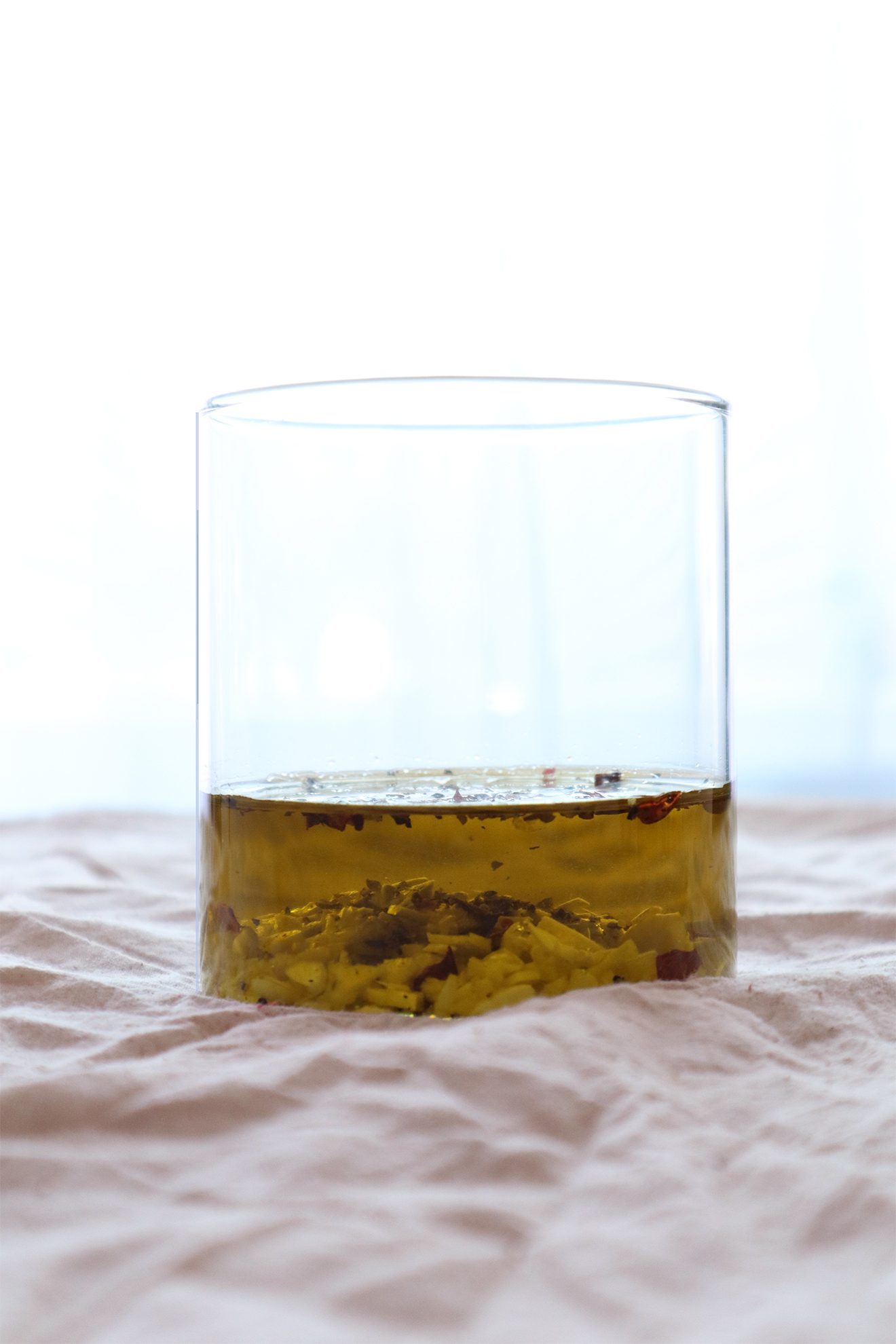
Garlic oil is not just a flavorful addition to your culinary creations; it's also a powerhouse of health benefits. From enhancing the taste of dishes to providing numerous health advantages, garlic oil deserves a special place in your pantry. In this blog post, we'll delve into how you can easily make garlic oil at home, its nutritional benefits, and why you should consider incorporating it into your diet.
Health Benefits of Garlic Oil
Incorporating garlic oil into your diet can provide various health benefits, such as:
- Immune Support: Garlic is renowned for its immune-boosting properties, helping your body fight off infections and illnesses.
- Heart Health: Regular consumption of garlic oil may contribute to improved heart health by lowering blood pressure and reducing cholesterol levels.
- Anti-inflammatory Effects: The allicin and other sulfur compounds in garlic have anti-inflammatory properties, potentially beneficial for conditions like arthritis.
- Antioxidant Protection: Garlic contains antioxidants that help combat oxidative stress and reduce the risk of chronic diseases.
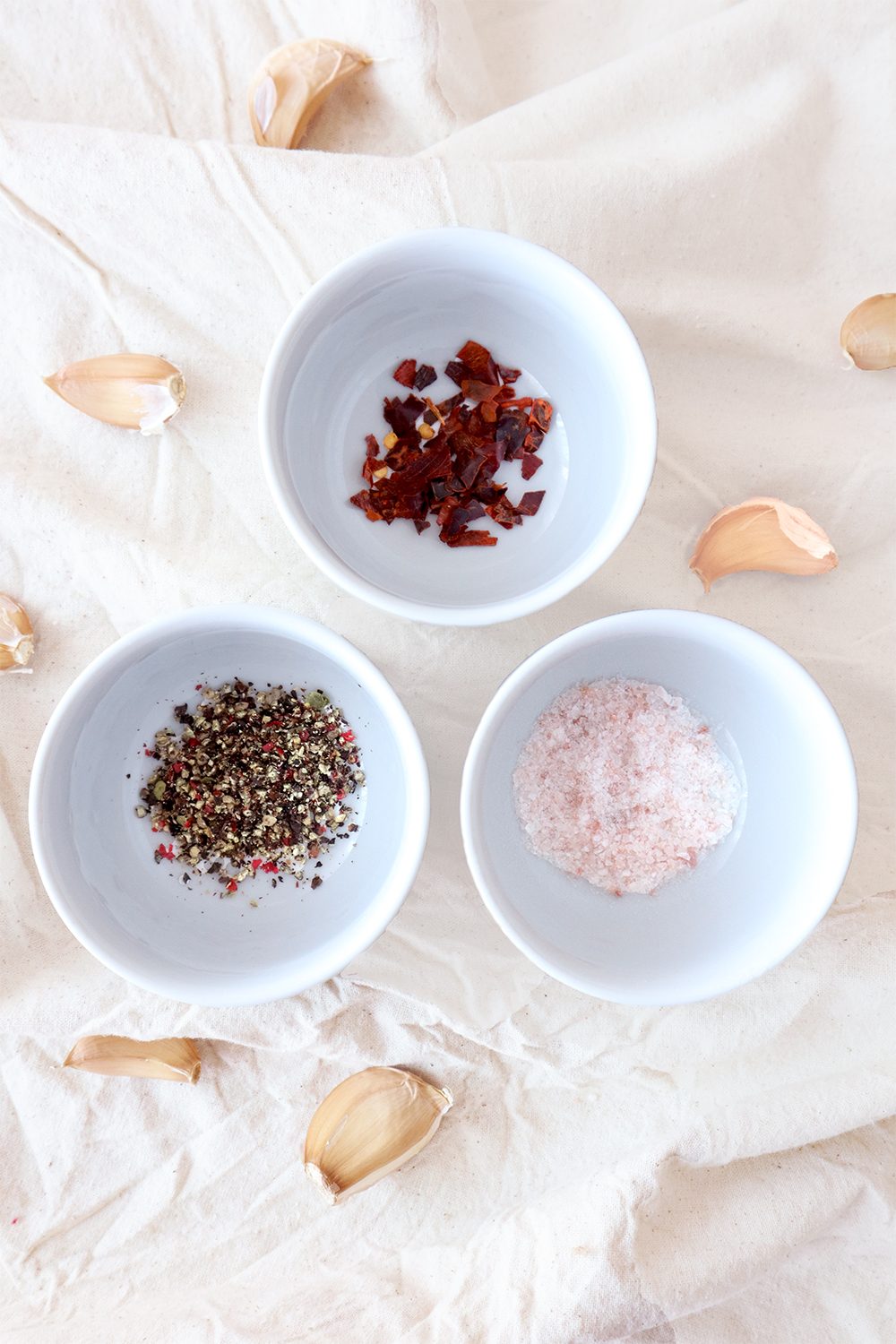
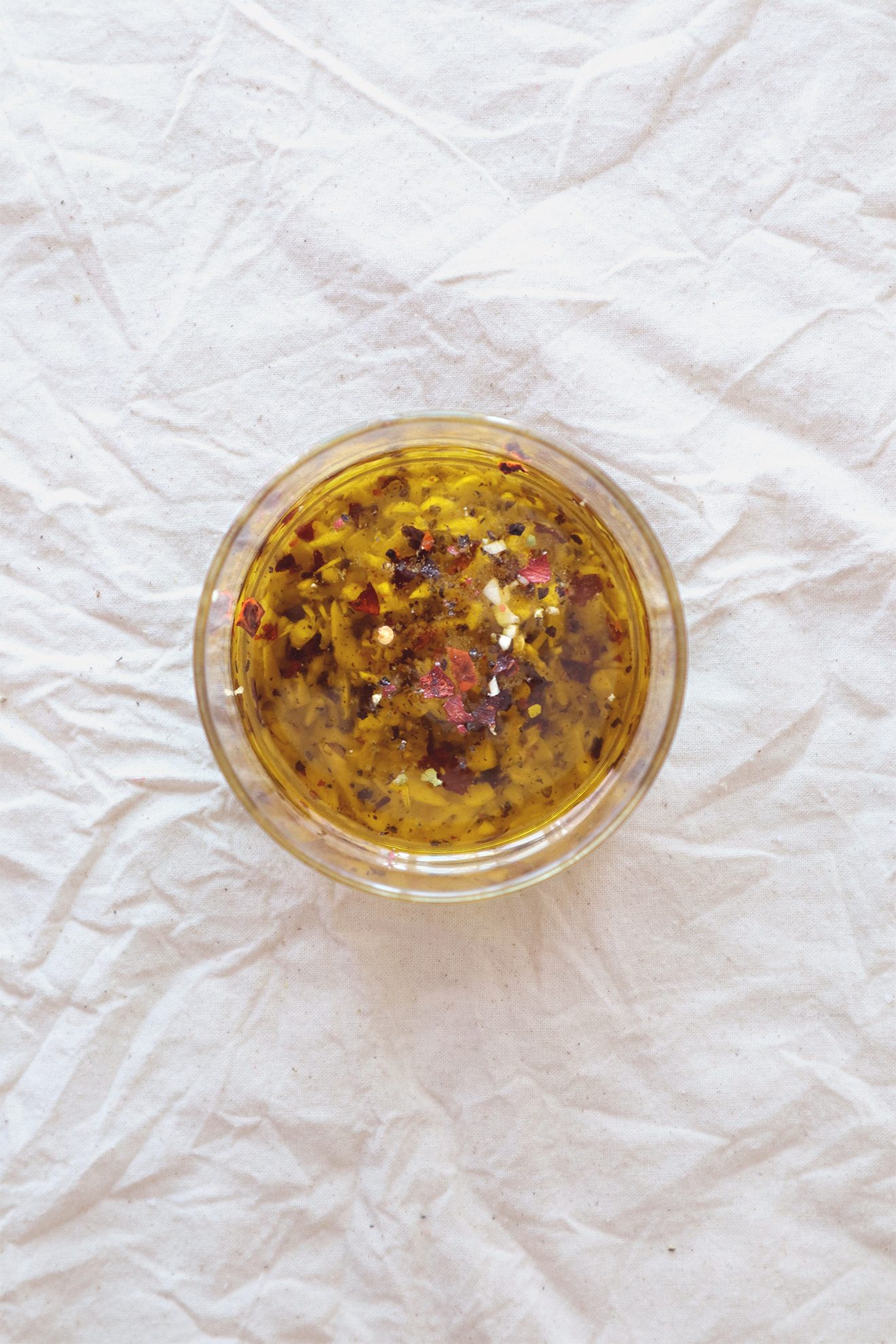
Three easy herbs to add to garlic oil: red pepper flakes, rainbow peppers, and sea salt.
Mix all your ingredients!
Now it is ready to use, the longer it sits the stronger the flavor.
Making Garlic Oil at Home
Making garlic oil is a straightforward process that requires minimal effort and ingredients. Here’s a simple method to prepare it:
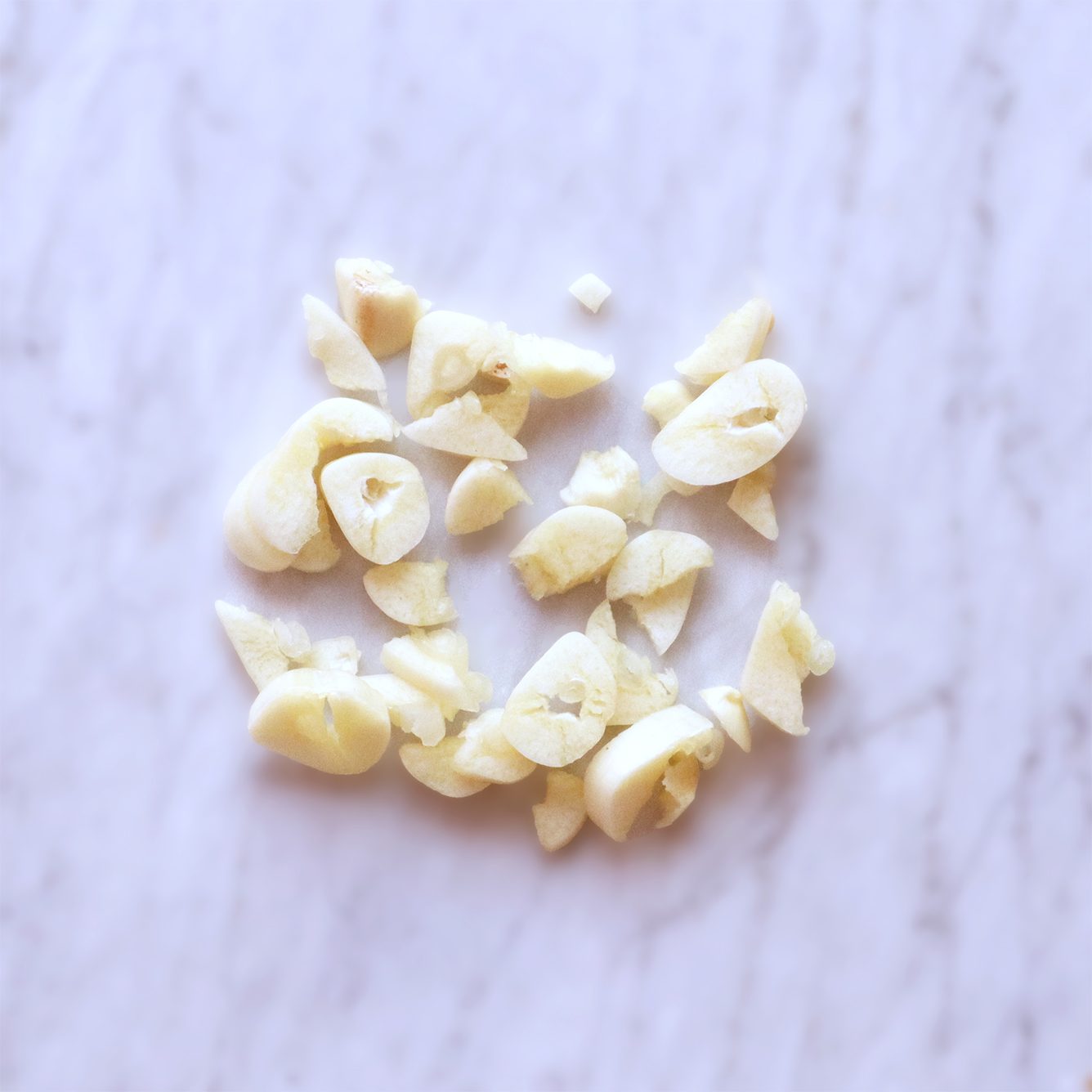
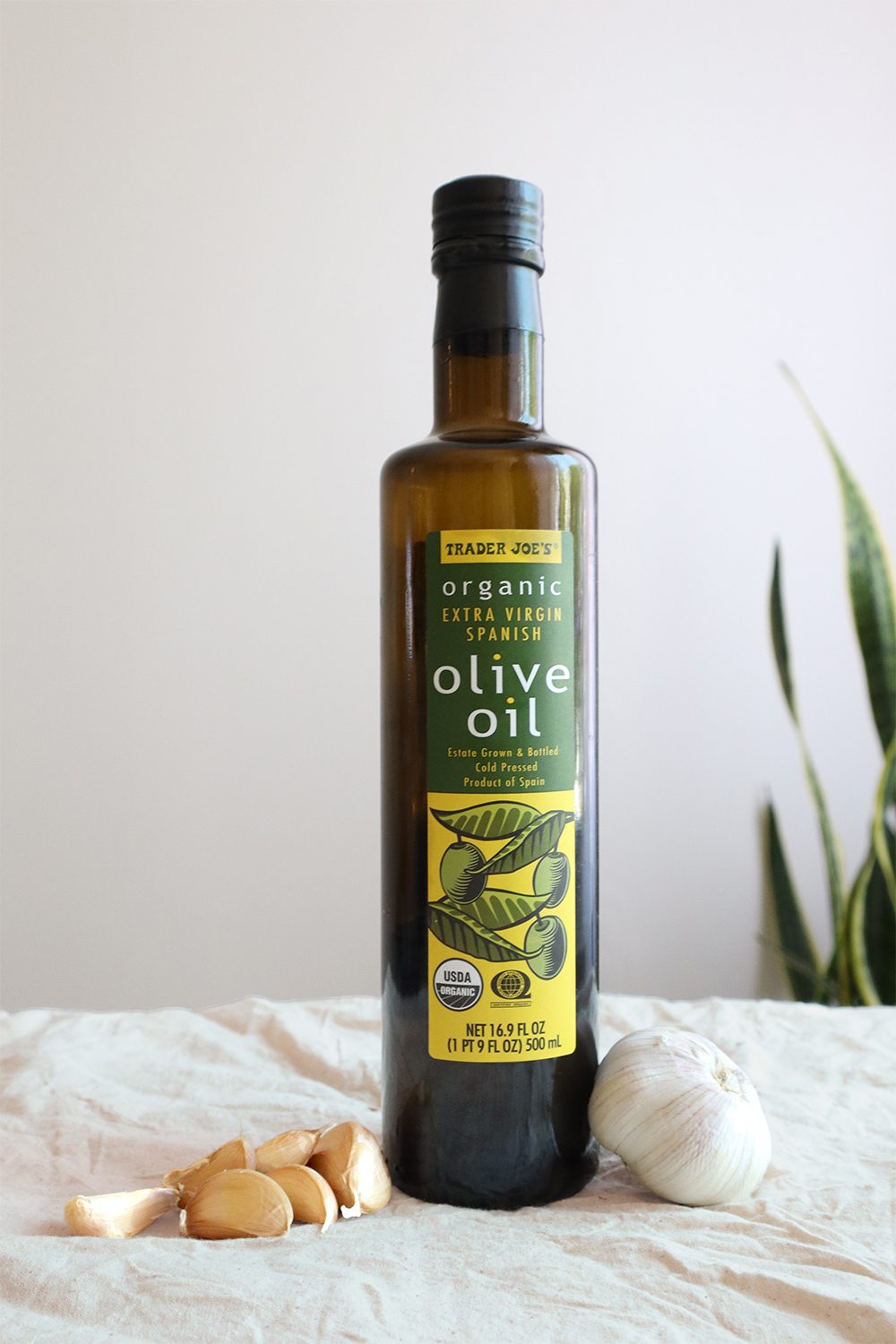
Ingredients & Nutrition
Instructions:
- Peel and thinly slice the garlic cloves.
- In a small bowl or glass container, place olive oil and sliced garlic.
- Add the spices into the container, and mix well.
- Let the garlic infuse into the oil for about 10-15 minutes. (The longer you let it sit the more flavor infuses into the oil.)
- Transfer the infused garlic oil into a clean glass bottle or jar with a tight-fitting lid. (Optional)
- Store in a cool, dark place. It can be refrigerated to extend its shelf life.
Nutritional Content per Serving (1 tablespoon, approximately)
- Calories: 119 kcal
- Total Fat: 13.5 g
- Saturated Fat: 1.9 g
- Monounsaturated Fat: 9.9 g
- Polyunsaturated Fat: 1.3 g
- Sodium: 0 mg
- Total Carbohydrates: 0 g
- Protein: 0 g
- Fiber: 0 g
- Sugar: 0 g
A safety note worth actually reading
Garlic infused in oil is one of the few home-kitchen situations where food safety genuinely matters, not just as boilerplate caution. Garlic grown in soil can carry Clostridium botulinum spores, and oil creates a low-oxygen environment these spores can potentially grow in at room temperature, producing a toxin that isn't destroyed by normal cooking. This doesn't mean avoid garlic oil — it means treat it like a perishable food, not a shelf-stable condiment. Store it in the refrigerator, always, and use it within about a week. If you want a longer shelf life, adding a small amount of an acid (like a teaspoon of vinegar or lemon juice per cup of oil) lowers the pH enough to meaningfully reduce this risk, which is the approach many small-batch producers use for shelf-stable garlic oils.
Tips for the best flavor
Low and slow beats hot and fast. Infusing at a gentle simmer (or even just warm, not simmering) extracts flavor without browning the garlic, which can turn bitter. If you see rapid bubbling, turn the heat down.
Smash, don't just peel, for a milder oil. Whole peeled cloves infuse more gently than crushed ones; if you want a more pronounced, sharper garlic flavor, lightly crushing the cloves before infusing releases more of their oils.
Strain thoroughly if you're storing the oil longer than a couple of days — bits of garlic left in the oil are exactly where bacterial growth is most likely to start.
Ways to use it
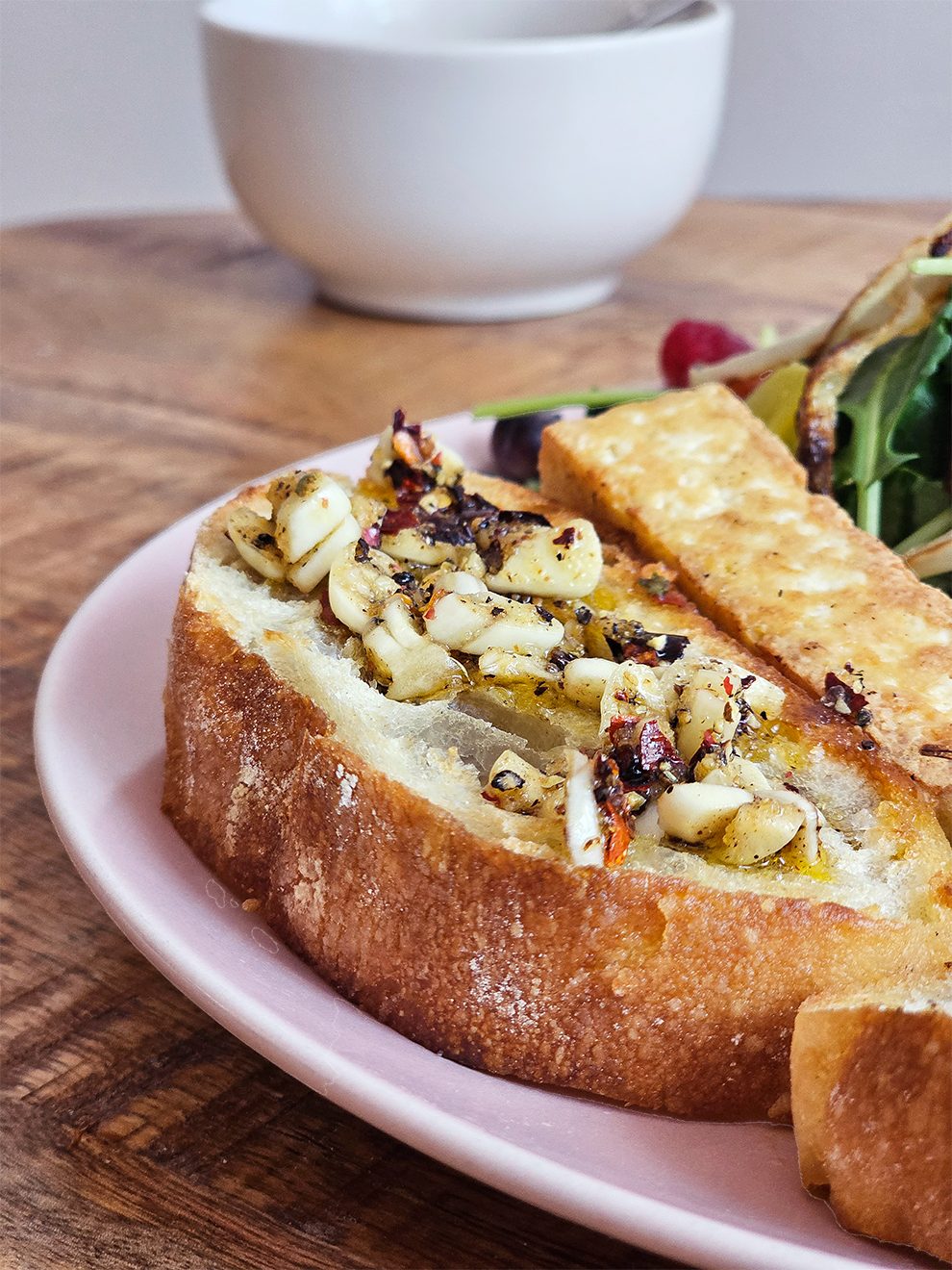
Beyond the obvious (bread dipping), this oil is genuinely useful drizzled over roasted vegetables right out of the oven, whisked into a simple vinaigrette in place of plain olive oil, brushed onto flatbread before it hits a hot pan, or stirred into pasta at the very end of cooking for a garlicky finish without the risk of burnt garlic in the pan.
Signs it's time to toss it
Because this is a refrigerated, perishable infusion rather than a shelf-stable product, it's worth actually checking it before each use rather than assuming it's fine indefinitely. Discard it if you notice any cloudiness that wasn't there originally, bubbles or fizzing, an off or sour smell, or any change in color of the garlic pieces themselves. When in doubt, the safest move is simply to make a smaller batch more often rather than trying to stretch a large batch over many weeks.
More Vegan Recipes
- 3-Ingredient Lavender Milk Tea
- Scrambled Tofu
- Easy Matcha Latte
Notes:
*We like shopping at Trader Joe's and local fruit markets.
See more of our recipes by following us: