Welcome to the world of hibiscus tea, a vibrant and versatile flower that not only adds beauty to gardens but also offers a plethora of health benefits. From promoting heart health to enhancing skin and hair, hibiscus is a true powerhouse of goodness. In this blog post, we'll delve into the various ways in which hibiscus can enrich our lives and contribute to our well-being.
Benefits of Hibiscus Tea:
- Rich in Antioxidants: Hibiscus is packed with antioxidants like flavonoids and anthocyanins, which fight oxidative stress and reduce the risk of chronic diseases. These compounds help combat free radicals in the body, promoting overall health and vitality.
- Heart Health: Research suggests that consuming hibiscus tea may help lower blood pressure and cholesterol levels, thus supporting heart health and reducing the risk of cardiovascular diseases. Incorporating hibiscus into your daily routine could be a simple yet effective way to take care of your heart.
- Liver Health: The hepatoprotective effects of hibiscus could benefit liver health by protecting this vital organ from damage caused by toxins and oxidative stress. Including hibiscus in your diet may help support liver function and keep it in top condition.
- Digestive Health: With its rich dietary fiber content, hibiscus promotes healthy digestion and prevents constipation. Its mild diuretic properties also help flush out toxins from the body, keeping your digestive system running smoothly.
- Immune Support: Boost your immune system with hibiscus. Its high vitamin C content strengthens the body's defenses against infections and illnesses, keeping you healthy and resilient year-round.
- Hydration: Last but not least, hibiscus tea is a refreshing and hydrating beverage that can be enjoyed hot or cold. Swap out sugary drinks for this floral delight and reap the benefits of hydration along with its numerous health perks.
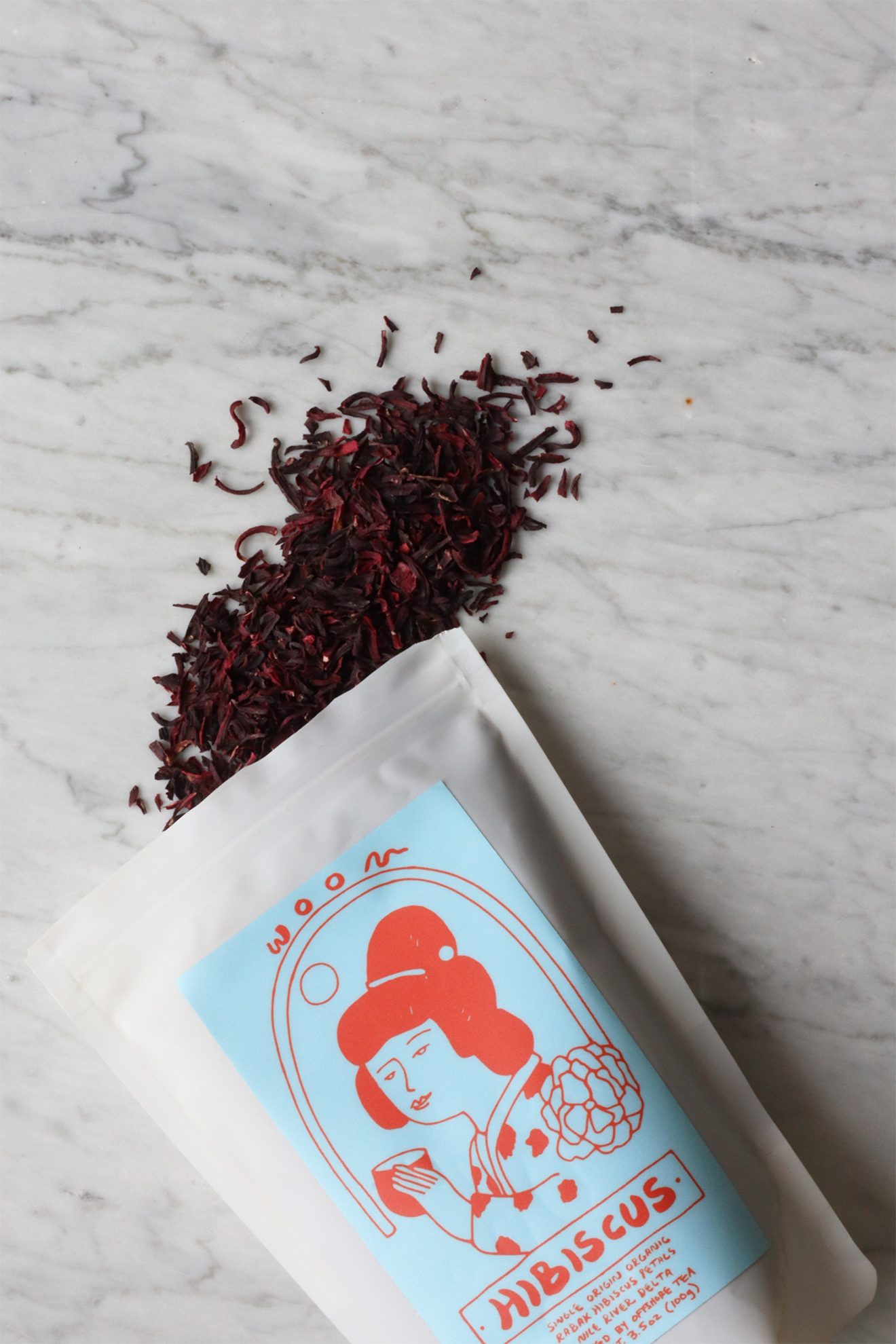
First, find a good source of hibiscus. We found ours at a local store.
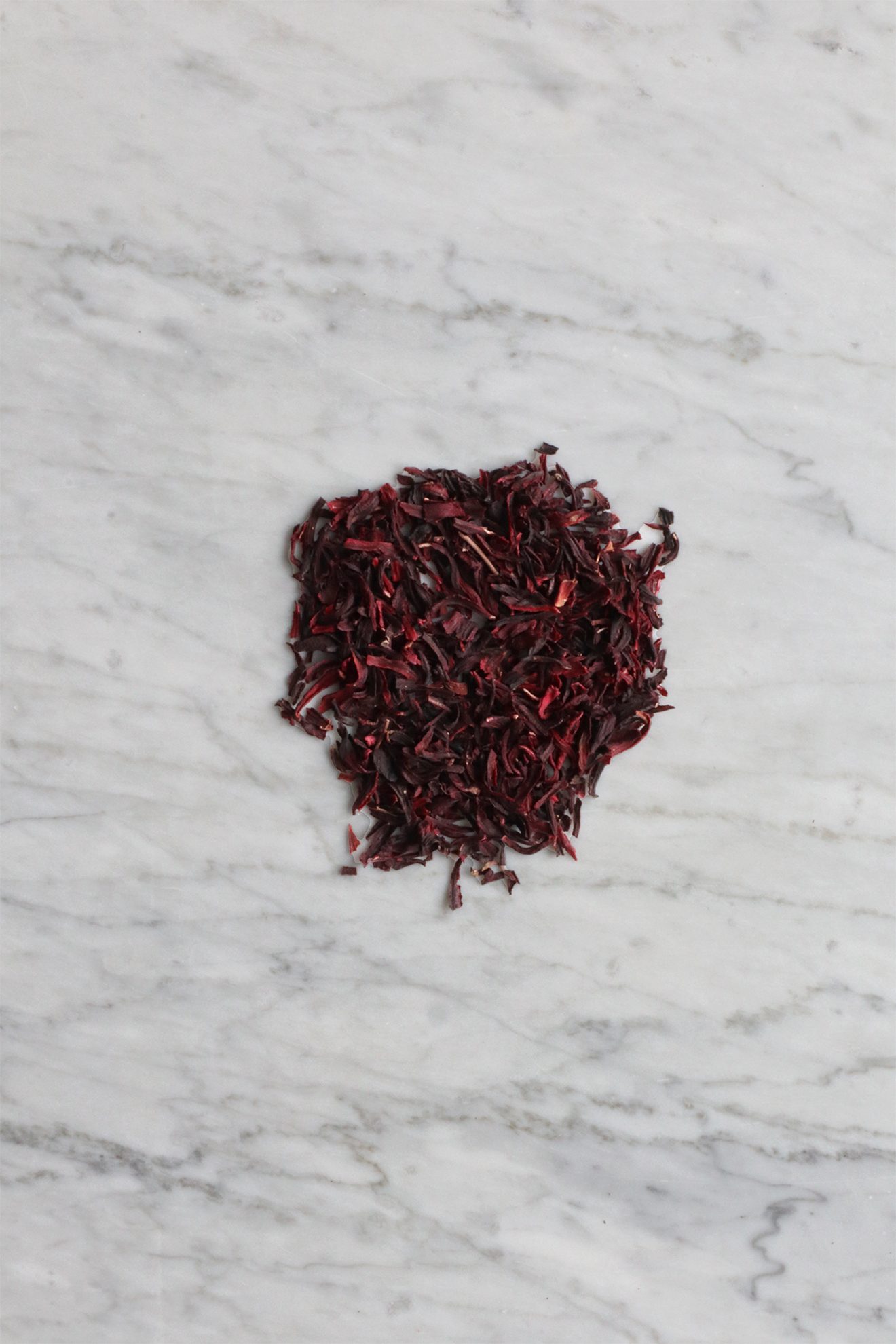
Check for vibrant shades of red in your hibiscus petals.
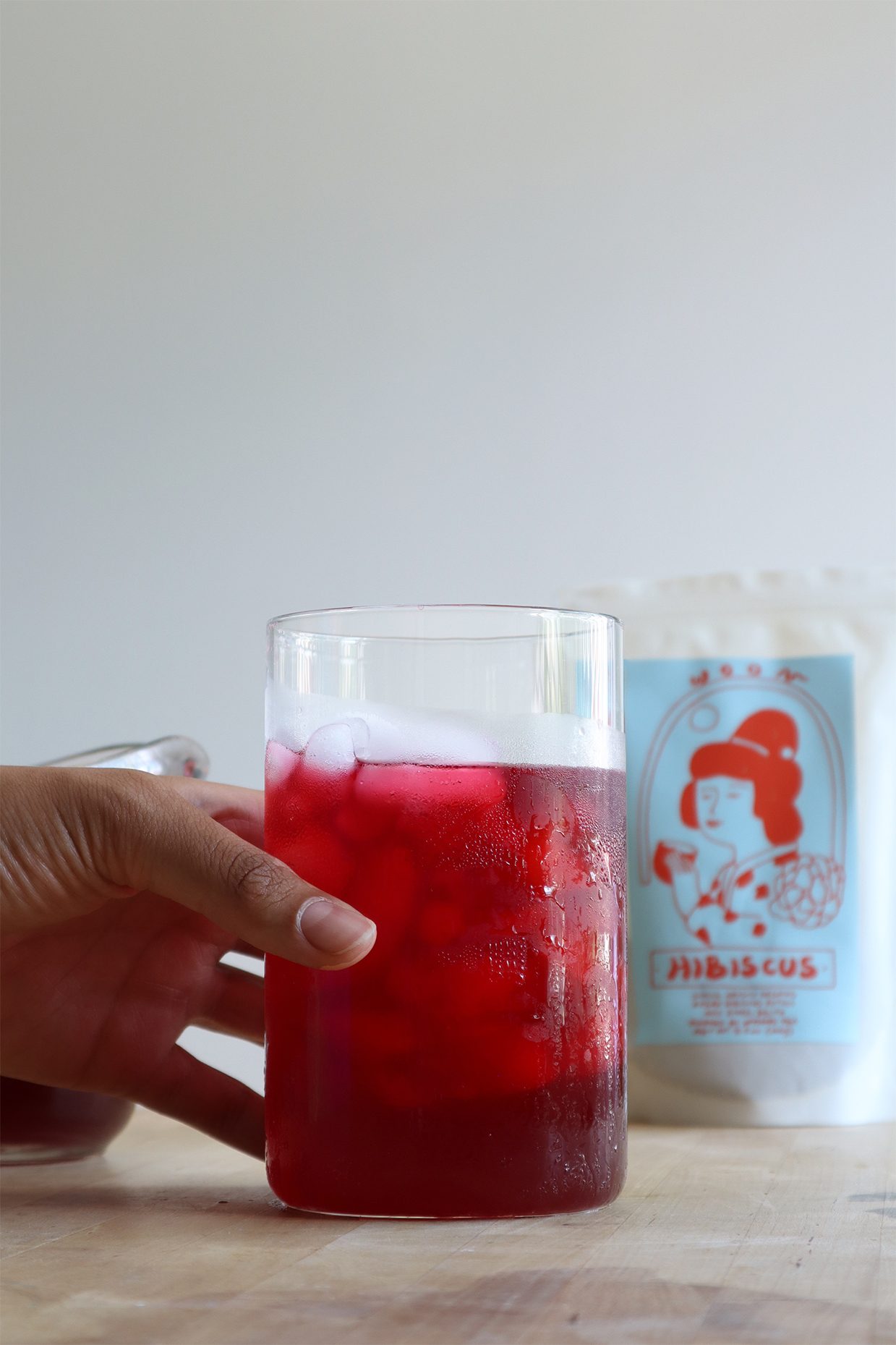
Drink up your "Agua de Jamaica," which is another name for hibiscus tea.
Enjoy the refreshing taste and health benefits of homemade hibiscus tea with this simple recipe. Whether you prefer it hot or cold, hibiscus tea is a delightful beverage that can be enjoyed any time of day. With its antioxidant properties and refreshing flavor, it's a great addition to your daily wellness routine. So brew yourself a cup of hibiscus tea and savor the goodness sip by sip!
Hibiscus Tea Recipe: Ingredients & Nutrition
Instructions:
- Bring the water to a boil in a medium-sized saucepan.
- Once the water is boiling, add the dried hibiscus petals to the saucepan (or use a coffee press).
- Reduce the heat to low and let the hibiscus petals simmer for about 10-15 minutes, allowing the water to take on the vibrant red color and the flavors of the petals to infuse.
- After simmering, remove the saucepan from the heat and let the tea steep for an additional 5-10 minutes.
- Strain the tea using a fine mesh strainer or cheesecloth to remove the hibiscus petals.
- If desired, sweeten the tea with your preferred sweetener while it's still warm, stirring until it dissolves.
- Allow the tea to cool to room temperature, then transfer it to a pitcher and refrigerate if serving cold.
- Serve the hibiscus tea over ice cubes with a slice of lemon or lime for garnish, if desired.
Where that deep red color comes from
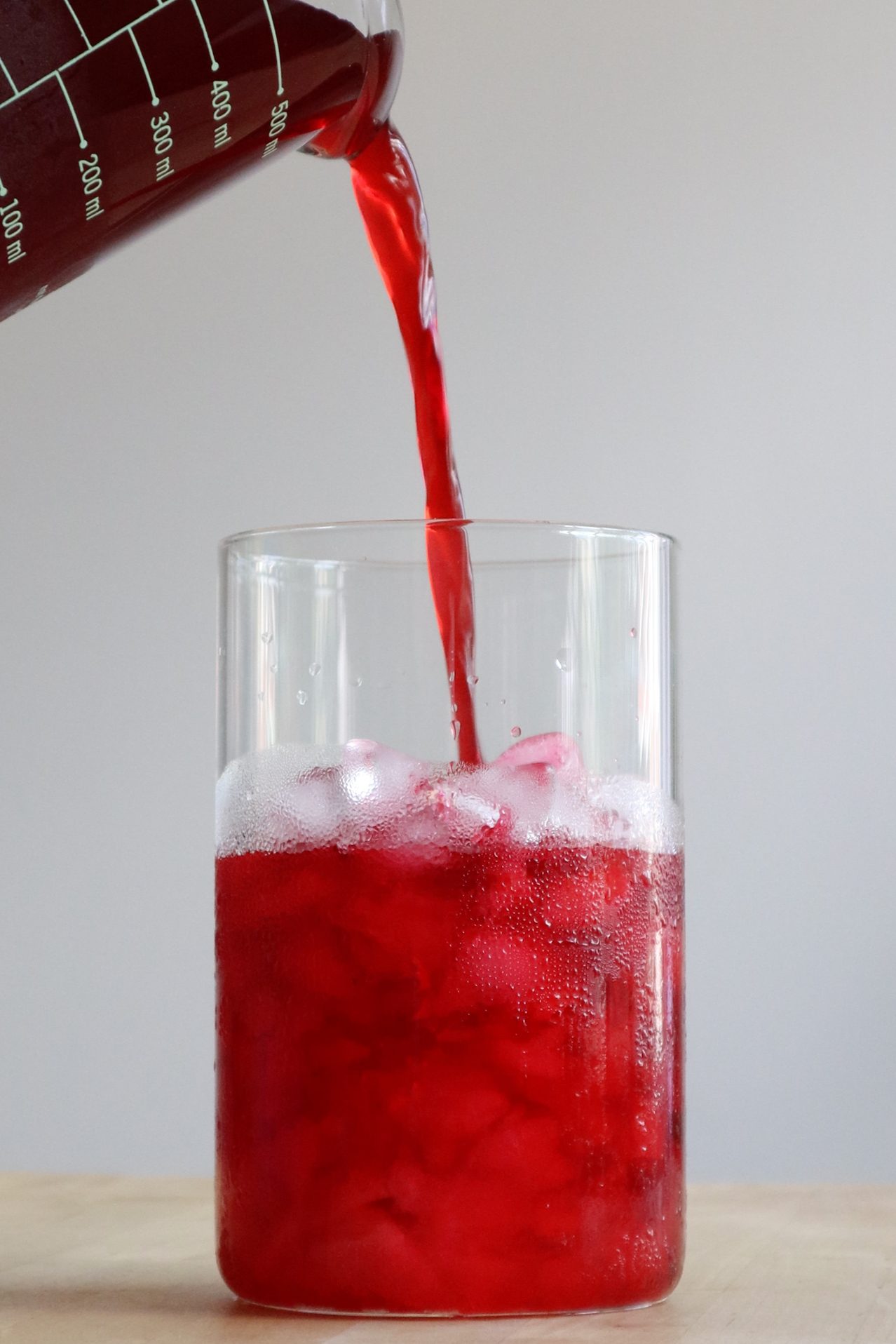
Hibiscus tea's striking crimson color comes from anthocyanins, the same family of pigments responsible for the color in blueberries, red cabbage, and purple grapes. Beyond just looking beautiful, these compounds are the antioxidants most associated with hibiscus's reputation as a health-supportive tea. The color is also a useful visual indicator of strength — a pale pink means an understeeped, milder tea, while a deep ruby red signals a fuller, more tart brew.
Tips for the best cup
Adjust steeping time to taste, not just the clock. Hibiscus can turn quite tart and almost cranberry-sharp with longer steeping. If you prefer something milder, taste at the 5-minute mark before deciding whether to continue.
A touch of sweetener goes a long way here, since hibiscus's natural tartness is fairly assertive on its own — start with less than you think you'll need.
For iced tea, brew it double-strength before chilling, since ice will dilute the flavor as it melts.
Variations worth trying
Hibiscus pairs naturally with warming spices — a cinnamon stick or a few cloves added during simmering give it a slightly spiced, mulled-wine-adjacent quality that's especially good served hot in cooler months. For a version closer to a Mexican agua de jamaica, add a bit more sweetener and serve heavily iced with a squeeze of lime; it's a common and refreshing warm-weather drink across Latin America.
Storage
Brewed hibiscus tea keeps well in the refrigerator for up to 5 days in a sealed pitcher, making it a good one to batch ahead for the week. Dried hibiscus petals themselves, kept in a sealed container away from light, stay good for up to a year.
Frequently asked questions
Can I drink hibiscus tea every day? Many people do, in moderate amounts. If you have low blood pressure or are pregnant, it's worth checking with a doctor first, since hibiscus has been studied for a mild blood-pressure-lowering effect.
Does it contain caffeine? No — hibiscus tea is naturally caffeine-free, since it's made from the dried flower petals rather than the tea plant (Camellia sinensis) at all.