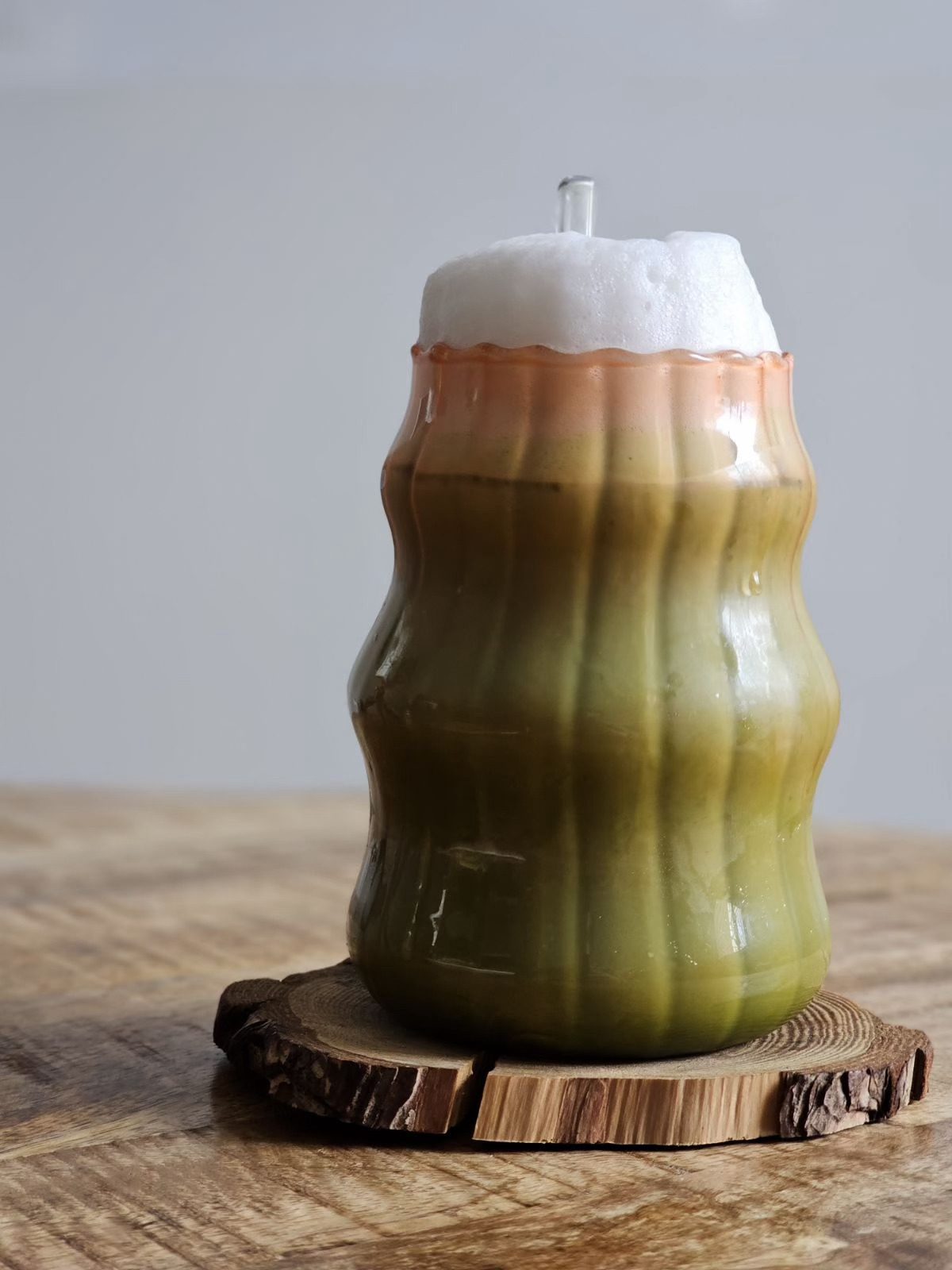
One of our favorite drinks to have in the morning is Matcha. Matcha has become a beloved beverage worldwide, celebrated not only for its unique flavor but also for its numerous health benefits. If you are looking for some caffeine to start up your morning or replace that coffee addiction, let's look into a delicious matcha latte.
Benefits of Matcha (Latte)
The health benefits of matcha are impressive, largely due to its high concentration of antioxidants, vitamins, and minerals. Here are some key benefits:
- Antioxidant Powerhouse: Matcha is packed with catechins, a type of antioxidant that helps combat cell damage and reduce the risk of chronic diseases.
- Enhanced Calmness: Matcha contains L-theanine, an amino acid known for promoting relaxation and reducing stress without causing drowsiness.
- Improved Cognitive Function: The combination of L-theanine and caffeine in matcha can enhance alertness, concentration, and cognitive function.
- Boosted Metabolism: Some studies suggest that matcha may help increase metabolism and aid in weight loss when combined with a healthy diet and exercise.
First, find your favorite matcha. Our favorites are Isuzu and Wakatake.
Next, pour your favorite milk. We make our own and recommend Malk, Mooala & MF.
Finish up by combining the two.
Matcha Latte Recipe
Ingredients & Nutrition
Instructions:
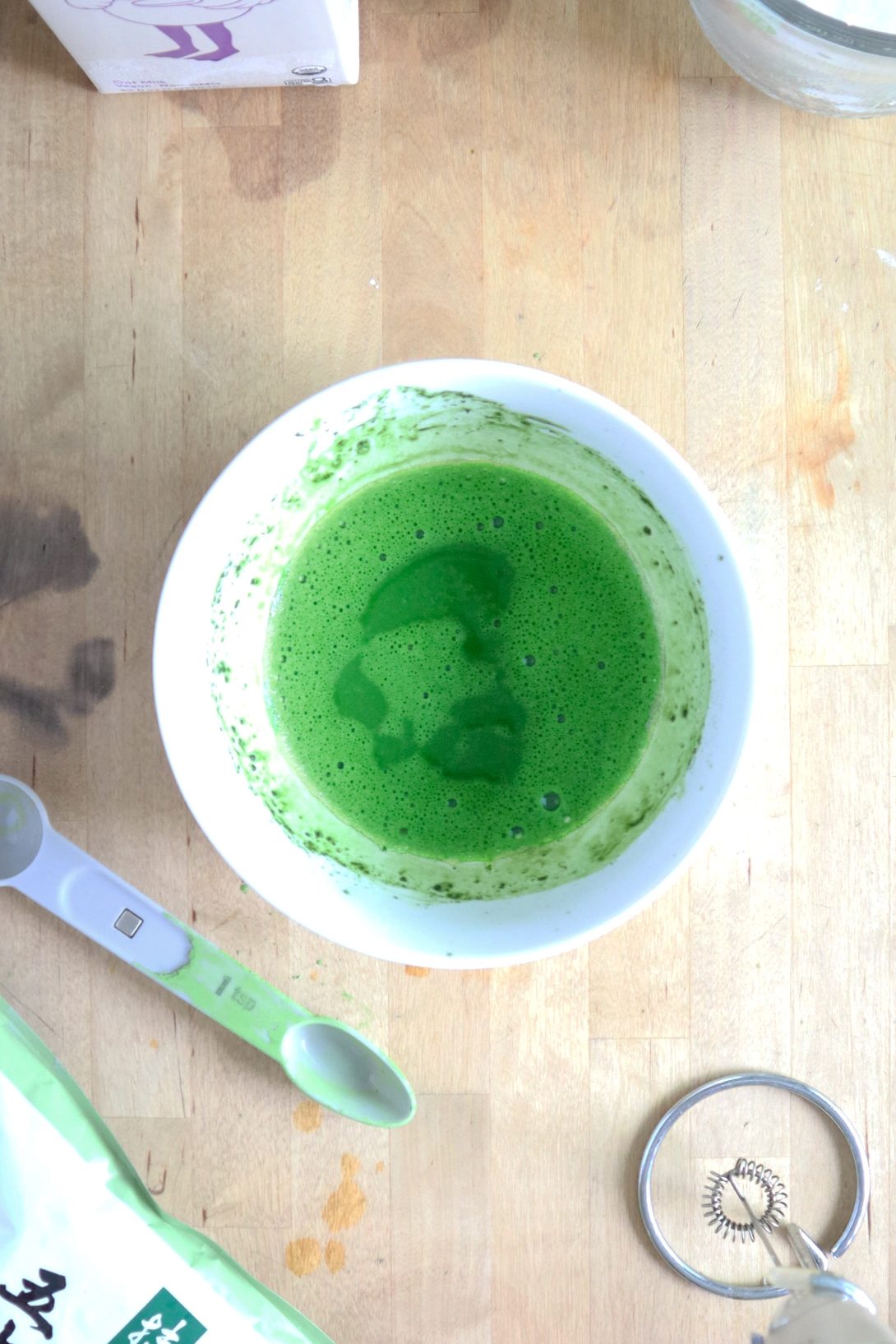
- Prepare the Matcha: Sift the matcha powder into a cup to break up any clumps. Add the hot (but not boiling) water and whisk or froth vigorously in a "W" or zig-zag motion until frothy.
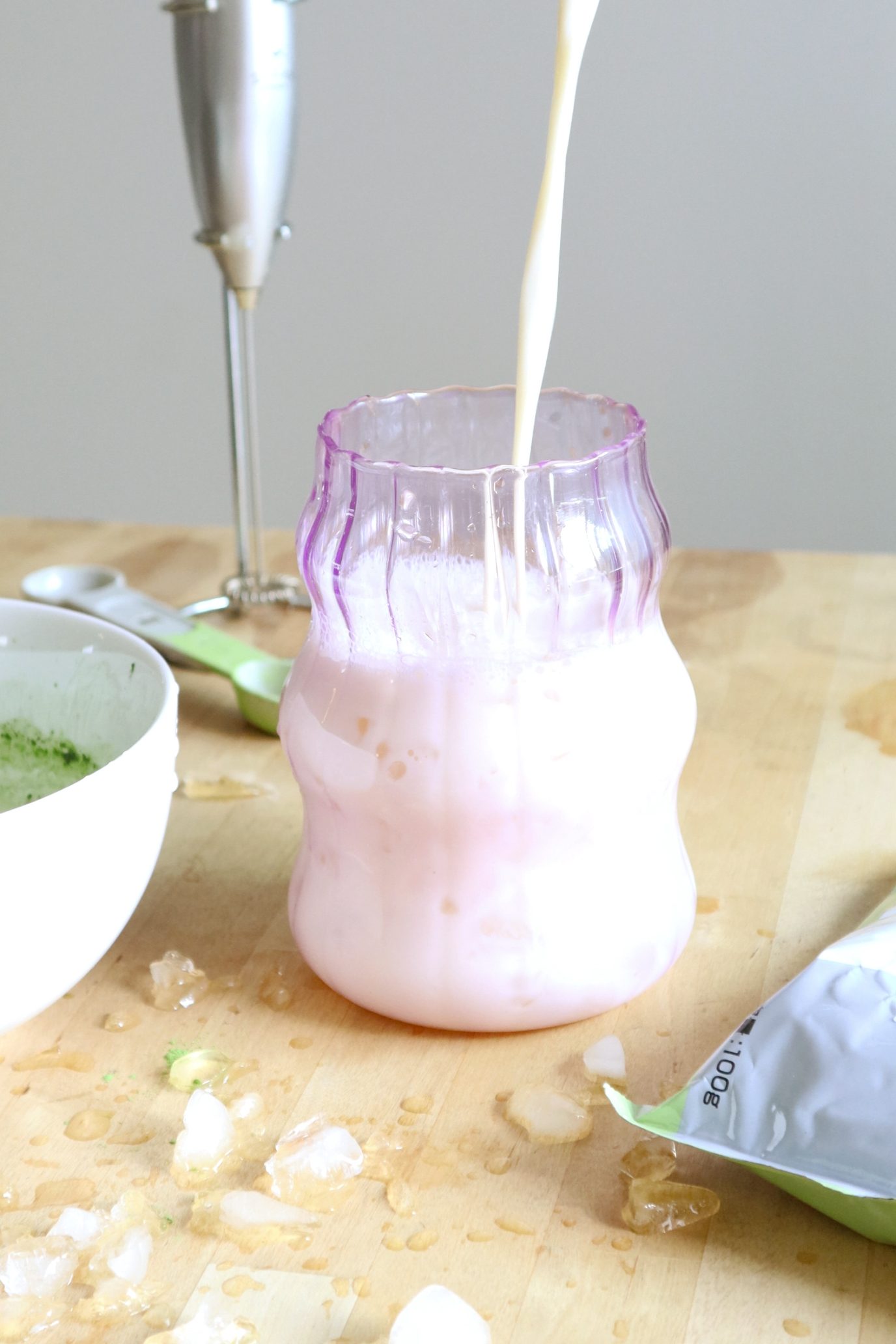
- Add the Milk: Depending on your preference, you may need to heat it up or add ice to cool it down. To heat up, in a separate saucepan, heat the milk until steaming hot but not boiling. You can also froth the milk using a milk frother or whisk for a creamier texture.
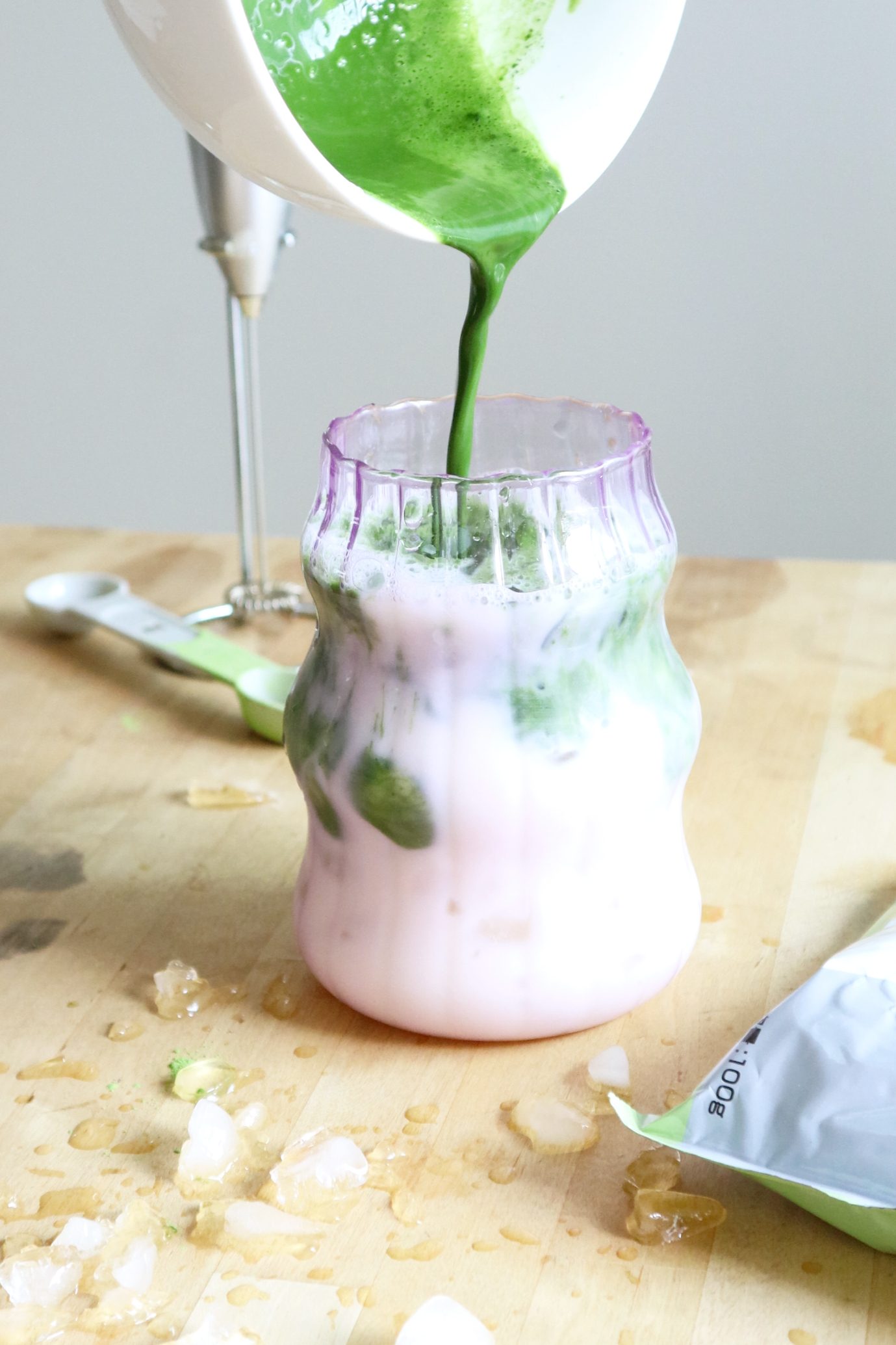
- Combine and Enjoy: Pour the heated milk into the cup with the matcha mixture. Sweeten to taste if desired. Use a spoon to hold back the froth while pouring, then spoon the remaining froth on top.
- Serve: Your homemade matcha latte is now ready to be enjoyed!
Matcha Latte Nutrition Facts
- Calories: Approximately 70-100 calories per serving, depending on the type of milk and sweeteners used.
- Protein: 5-8 grams per serving, mainly from the milk.
- Fat: 2-5 grams per serving, primarily from the milk.
- Carbohydrates: 10-15 grams per serving, depending on sweeteners.
Tips:
- Use a frother not only for mixing the matcha but also to make milk foam.
- Remember to make it with love and good intentions.
Why the whisking technique actually matters
Matcha isn't like instant coffee — it's finely ground whole tea leaves suspended in water, not dissolved. Whisking in a quick "W" or "M" motion (rather than stirring in circles) is what breaks up clumps and incorporates air, producing that characteristic light froth on top. Stirring in circles tends to leave gritty pockets of unmixed powder at the bottom of the cup, which is usually the culprit when someone says they don't like matcha's texture — the flavor is fine, the mixing technique just wasn't quite there.
Choosing a matcha powder
Matcha is graded roughly into culinary and ceremonial grades. Ceremonial grade is more finely ground, brighter green, and meant to be enjoyed on its own with just water — it's also the more expensive option. Culinary grade is slightly more bitter and coarser, but it holds up better against milk and sweetener, which makes it the more practical (and more affordable) choice for a latte like this one, where matcha is one ingredient among several rather than the entire drink.
Troubleshooting
My latte tastes bitter. This is usually a water temperature issue — matcha whisked with boiling water turns notably more bitter than matcha whisked with water just below boiling (around 175°F). Let boiled water sit for a minute or two before using it.
The matcha won't stop clumping. Sifting the powder through a fine mesh strainer before whisking breaks up compressed clumps that form during storage, and makes a real difference for a smooth latte.
Storing matcha powder
Matcha is more delicate than black or green tea leaves because it's ground into a fine powder, which exposes far more surface area to air, light, and moisture — all of which degrade its color and flavor faster than whole leaves would. Keep it in an airtight container, away from direct light, and ideally in the refrigerator once opened. Good matcha should smell grassy and slightly sweet; a dull, hay-like smell or a shift from bright green toward olive or brown usually means it's past its best.
Variations worth trying
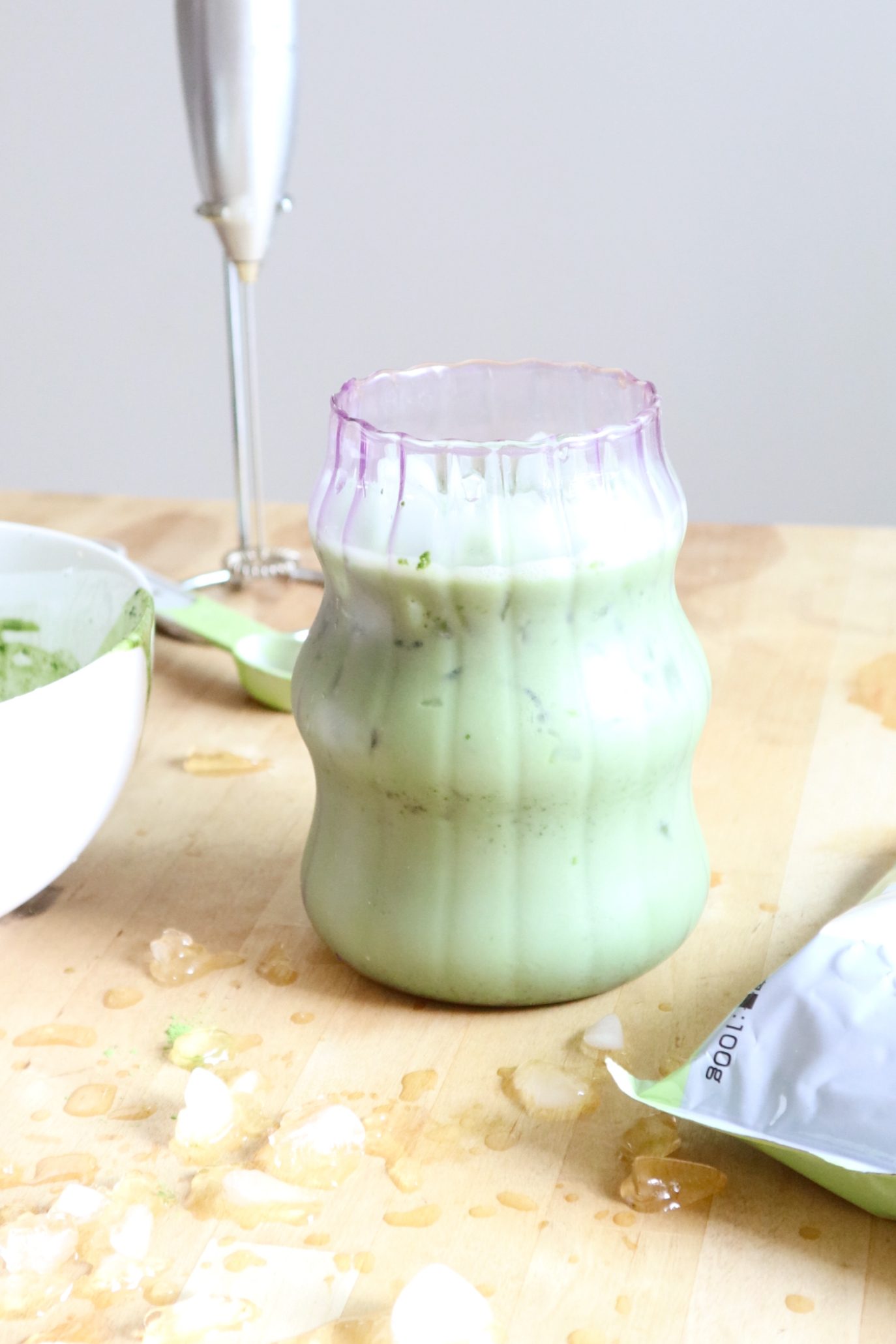
For an iced version, whisk the matcha with a small amount of hot water first (to fully dissolve it), then pour over ice with cold milk — adding matcha powder directly to cold liquid tends to leave it clumped rather than dissolved. A matcha affogato-style treat also works well: pour a shot of strong hot matcha over a scoop of dairy-free vanilla ice cream instead of the usual espresso.